In a world where nearly everything can be saved to a phone, streamed, ordered, or handled through an app, some consumers are showing renewed interest in experiences and objects that feel tangible. At the same time, health and wellness are becoming more woven into everyday routines—from sleep tracking to personalized guidance.
These shifts do not mean everyone is abandoning digital life. Instead, the signals suggest a desire for balance: technology when it is useful, and real-world experiences when people want connection, memories, or a break from screens.
1. Keepsakes and nostalgia are finding new appeal
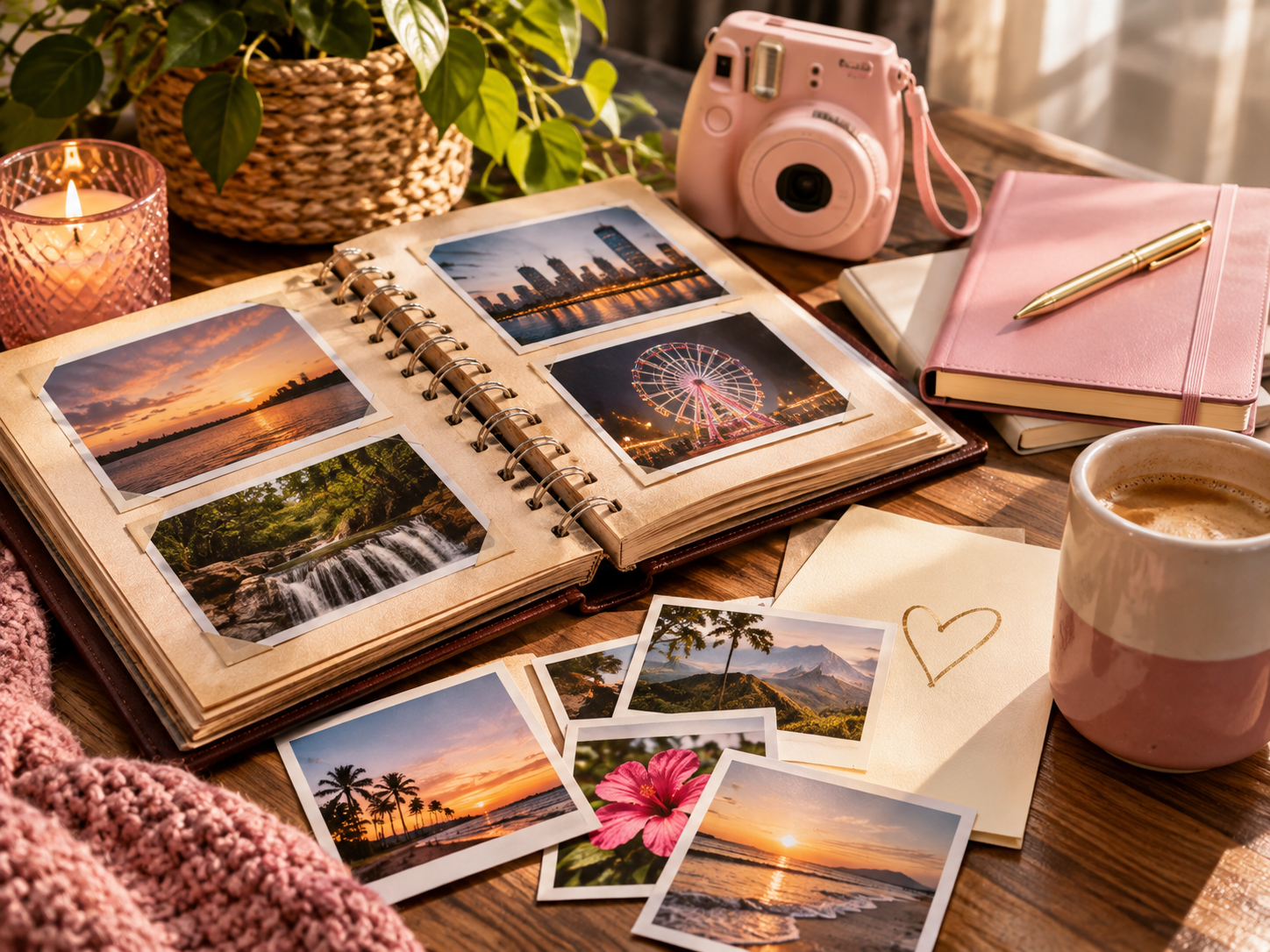
Printed photo books, physical albums, collectible objects, handmade cards, journals, and personalized gifts offer something a cloud folder cannot: an item people can hold, display, revisit, or pass along. Nostalgia-driven shopping also gives small makers and retailers room to offer customized products with a personal touch.
Research released in October 2026 by Quad and The Harris Poll found that 84% of Americans surveyed said owning physical items was more satisfying than owning digital ones, while 68% said they currently collect at least one type of physical item. The findings point to an appetite for tangible products, although preferences will vary by age, budget, and category.
2. People are looking for more places to connect offline
Community gatherings, local markets, interactive dessert spots, hobby clubs, game nights, bookstores, and welcoming cafés can offer more than a transaction. They give people a reason to leave the house and spend time together.
Quad’s 2026 research found that 80% of respondents were drawn to real-world experiences that do not revolve around screens. Its report also highlighted stores as social spaces and the appeal of experiences built around browsing, trying, and interacting in person. For local businesses, that can mean hosting workshops, tastings, game nights, creator meetups, or other events that make a location feel like a gathering place.
For entrepreneurs, the lesson is not simply to open another venue. It is to understand what people in a particular neighborhood want to do together—and create a welcoming experience that gives them a reason to return.
3. Wellness is becoming more personalized and routine-based
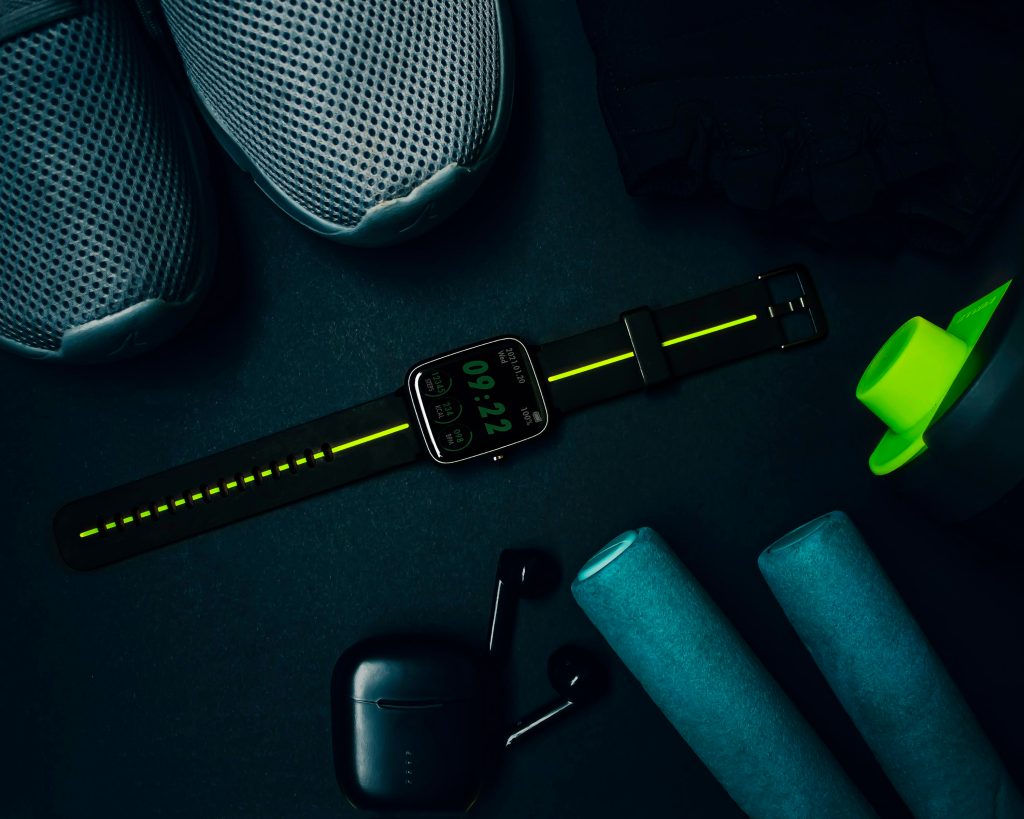
Consumers are increasingly using wearables, apps, home devices, and coaching services to keep an eye on sleep, activity, stress, nutrition, and other parts of daily life. PwC’s 2026 Voice of the Consumer survey, which included 21,808 consumers across 27 countries, found that 80% used an app or wearable for at least one health and wellness activity. Forty percent said improving sleep was one of their top health goals.
That interest is creating room for products and services that help people understand their routines, but wellness claims deserve careful scrutiny. A sleep tracker is not a medical diagnosis, and a weight-management product is not automatically safe or effective because it is trending online. Consumers should look for transparent evidence, qualified professionals, and realistic claims—especially when a product promises anti-aging, rapid weight loss, or dramatic health results.
4. A more balanced relationship with technology
Digital tools remain part of everyday life, but some consumers are deliberately making room for offline hobbies, printed media, face-to-face conversations, and screen-free activities. Quad’s research found that 75% of respondents viewed a simpler relationship with technology as a lifestyle upgrade rather than a sacrifice.
That can translate into demand for analog hobbies, physical books, craft kits, tabletop games, journaling supplies, and events that encourage people to put their phones away for a while. The appeal is not necessarily anti-technology; it is the feeling of choosing how and when to use it.
What these shifts could mean for consumers and businesses
- For shoppers: Choose products and services based on genuine usefulness, quality, and transparent claims—not just a viral trend.
- For local businesses: Consider events and experiences that encourage customers to connect, participate, and return.
- For creators and makers: Personalized keepsakes, printed products, and hobby-based offerings may appeal to people looking for something more meaningful than another digital download.
- For wellness brands: Clear information, credible expertise, privacy protections, and realistic promises matter more than flashy claims.
The common thread is a search for meaning and control over everyday life. People still want convenience, but they also value memories they can touch, places where they feel welcome, and wellness tools that fit their real needs. Businesses that understand that balance may be better positioned to earn lasting trust.
Sources
- Quad and The Harris Poll — The Return of Touch: 2026 Data Sheet (October 23, 2026).
- PwC — Voice of the Consumer 2026 (June 23, 2026).
- McKinsey — State of the Consumer 2026: When Tech Acceleration and Cost Pressures Collide (June 22, 2026).
- Lux Research — 2026 Mid-Year Consumer Trends: The Backlash Against Artificial Everything.

