The Justice Department is facing a series of senior-level departures in the days following the 2026 midterm elections. Harmeet Dhillon, who led the department’s Civil Rights Division, resigned Thursday, November 5. On Friday, two additional senior officials—John Eisenberg and Jason Reding Quiñones—also resigned, according to The Associated Press.
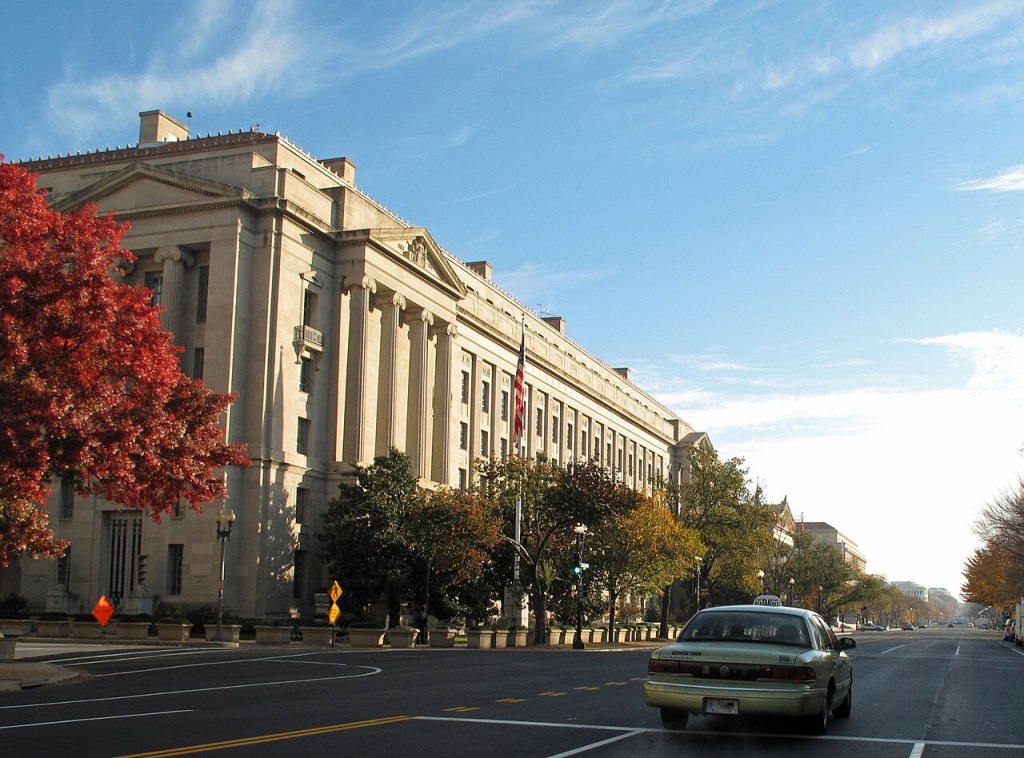
The departures come as Democrats prepare to take control of both chambers of Congress in January. The timing has raised questions about whether the department is entering a broader period of transition, although the reasons and circumstances differ for each official.
Harmeet Dhillon leaves the Civil Rights Division
Attorney General Todd Blanche announced that he had accepted Dhillon’s resignation. She had served as assistant attorney general for civil rights and led a major change in the division’s priorities during her tenure.
Dhillon said she had informed the White House in October that she planned to leave after the midterm elections. In her public comments, she pointed to her work on ending diversity, equity, and inclusion programs and challenging transgender policies in schools as accomplishments. The Associated Press reported that she said she wanted to return to the private sector.
Her tenure was controversial. Former Justice Department attorneys and civil rights advocates criticized the division’s shift away from traditional investigations involving discrimination and police misconduct. Supporters praised her focus on religious liberty and other conservative priorities. Those competing assessments are central to the debate over her legacy.
Two more senior Justice Department officials resign
The Associated Press reported Friday that John Eisenberg, who led the department’s National Security Division, and Jason Reding Quiñones, the U.S. attorney for the Southern District of Florida, had also resigned.
Eisenberg’s division handles national security matters including terrorism, espionage, and classified information. Quiñones had overseen a politically sensitive investigation involving alleged efforts by former officials to undermine Trump. The AP reported that the investigation faced delays and questions about its progress.
These are Justice Department departures, not confirmation that the entire Cabinet is leaving. Each official held a different position, and public reporting does not establish that all of the departures were caused by the midterm results.
Why the timing is drawing attention
Democrats’ incoming control of Congress is likely to bring increased oversight of the Trump administration. That could mean hearings, document requests, and investigations into department policies and decisions. The new Congress will not take office until January, and the current administration remains in place in the meantime.
The departures may complicate continuity at the department, particularly in divisions responsible for civil rights, national security, and federal prosecutions. The next steps will include identifying replacements and determining whether the department’s priorities or leadership structure change.
What to watch
- Who is selected to lead the Civil Rights Division and National Security Division.
- Whether additional senior Justice Department officials announce departures.
- How incoming congressional committees approach oversight of the department.
- Whether the department changes the policies and cases prioritized under its departing leaders.
For now, the confirmed story is a cluster of senior Justice Department resignations—not a verified mass departure of every high-profile Cabinet official named in online posts. The Shade Wire will continue to distinguish confirmed announcements from speculation as more information becomes available.
Sources
- The Associated Press — 2 Justice Department officials resign, including U.S. attorney who oversaw ‘grand conspiracy’ probe (November 7, 2026).
- Reuters — Trump ally Dhillon, who remade DOJ civil rights unit, resigns (November 5, 2026).
- CBS News — Harmeet Dhillon, controversial head of Justice Department’s Civil Rights Division, resigns (November 5, 2026).

